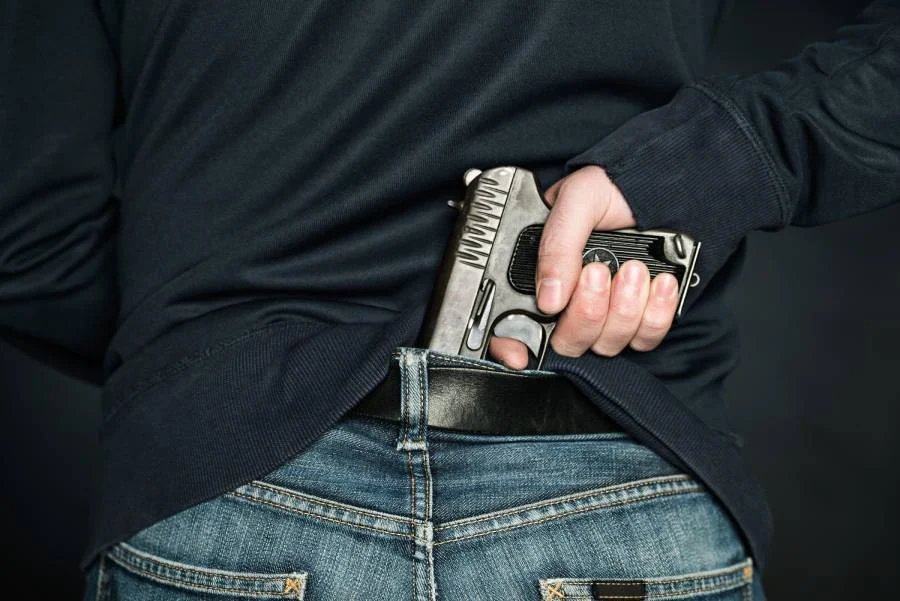
A Fourth Amendment challenge, also known as a suppression motion, is a way to try to keep the State from introducing evidence that was gathered unlawfully. The Fourth Amendment to the U.S. Constitution seems straightforward:
The right of the people to be secure in their persons, houses, papers, and effects, against unreasonable searches and seizures, shall not be violated, and no Warrants shall issue, but upon probable cause, supported by Oath or affirmation, and particularly describing the place to be searched, and the persons or things to be seized.
However, there have been many cases ranging from Terry v. Ohio in 1968 to Torres v. Madrid in 2021 to determine what exactly the Fourth Amendment means in terms of individual civil rights. For example, if a suspect’s behavior indicates criminal activity, law enforcement may not need a warrant to conduct a limited search and seize any suspicious items found. Because these cases make their way through the courts often, and the Law is still being interpreted, it’s imperative you are aware of how these court decisions affect your rights. If you or someone you know may have had their civil rights infringed by an illegal search and seizure in North Carolina, consult with an experienced concealed carry defense attorney immediately. A motion to suppress based on your Fourth Amendment right to a probable cause warrant could be the key to your defense.
Suppression Motions
A motion to suppress is typically filed by a defendant’s attorney before trial, arguing that the evidence in question was obtained illegally or in violation of the client’s Fourth Amendment rights. The motion may be based on a number of different factors, such as an illegal search, an invalid warrant, or an unlawful seizure of property. If a judge grants a motion to suppress, the evidence in question cannot be used against the defendant at trial, which can significantly weaken the prosecution’s case.
Getting Your Weapon Returned
Often, North Carolina law enforcement officers will seize the gun as evidence when they charge a person with a concealed carry charge. It is possible in some cases to have the firearm returned when the charge is resolved. You may need to file a motion and provide testimony under oath to have your firearm returned to you following a concealed carry charge for having a gun concealed without the proper permit.
Contact a North Carolina Attorney About Concealed Carry Charges
If you have questions about concealed carry charges in North Carolina, schedule a consultation with our team at McMinn, Fradin, Gray & Logan. We look forward to helping you navigate the legal system and protect your rights.